
Implant Dentistry
Who Should Place Your Dental Implants? Prosthodontist, Oral Surgeon, Periodontist or General Dentist

Contents
October 14, 2026

Most people looking into implants assume there is one kind of implant dentist. Then they are told they will see two people: one to place the implant, and another to put the tooth on it. Or they find three practices nearby that all offer implants, run by dentists with different titles, and no clear way to compare them.
The short answer: Any licensed dentist in the United States can place implants, but four groups do most of them: general dentists, oral surgeons, periodontists and prosthodontists. Oral surgeons and periodontists specialize in the surgery. Prosthodontists specialize in planning and making the teeth that go on top, and many are also trained to place the implant. For a straightforward single implant, several of these can do excellent work. For full-arch, front-tooth or previously failed cases, the person who designs the final teeth should lead the plan.
The Four Kinds of Dentist Who Place Implants
- General dentists complete dental school and may learn implants through continuing education courses. No formal specialty residency is required to place implants. Experience varies enormously from one dentist to the next.
- Oral and maxillofacial surgeons complete a hospital-based residency of four to six years covering surgery of the mouth, jaws and face, including implants and anesthesia (source). They typically place the implant and refer you elsewhere for the teeth.
- Periodontists complete a three-year residency in the gums and supporting bone, including implant placement (source). They are especially strong where gum health or bone grafting is the main issue.
- Prosthodontists complete a residency of about three years, typically 34 to 36 months, in replacing and restoring teeth: crowns, bridges, dentures, implant teeth and full-mouth reconstruction (source). Many programs include placing implants as well as restoring them.
Prosthodontics, periodontics and oral surgery are all specialties recognized by the American Dental Association. Board certification is a separate, voluntary examination taken after residency, so it is worth asking about directly.
Why the Teeth on Top Matter More Than Most People Think
An implant is only the foundation. What you live with every day is the tooth, bridge or arch attached to it: how it looks, how it bites, and how easy it is to keep clean.
Those things are largely decided before surgery. Where the implant sits in the bone, and at what angle, determines whether the final tooth can be shaped well, whether the bite loads it evenly, and whether the gum around it can be cleaned. An implant placed where the bone happened to be, and then restored around afterward, can function for years and still never look or clean quite right.
There is evidence the restorative side matters for health too. In a large Swedish study of implant patients, those whose implant restorations had been delivered by general practitioners had higher odds of moderate to severe peri-implantitis, the bone-destroying infection around implants, than those treated by specialists (source). Peri-implantitis affects roughly one in five people with implants overall (source).
The Part Most Articles Leave Out
The title matters less than the plan. A specialist title tells you about training, not about how many cases like yours someone has done this year, or whether the person placing the implant and the person making the teeth are actually planning together. An experienced general dentist doing a simple single implant may be a perfectly good choice.
Two practices means a handoff. The common arrangement, a surgeon who places and a separate dentist who restores, works well when the two coordinate closely. When they do not, the restoring dentist inherits an implant position they did not choose. Ask who is planning the final tooth before anyone plans the surgery.
The association in the Swedish study is also just that: an association. It does not prove that every general dentist's implant work is worse, only that who restores the implant appears to matter.
When a Prosthodontist Should Lead
- Full-arch treatment, such as All-on-4 or All-on-6 or implant dentures, where the bite, appearance and speech of a whole arch are being designed at once
- Front teeth, where a millimeter of implant position changes how the final tooth looks
- Previously failed implants or crowns, where the cause needs diagnosing before anything is redone
- Bite problems or heavy grinding, which overload implants and the teeth around them
- Combined treatment, where implants sit alongside new crowns, bridges or veneers and everything has to match
How It Works at Our Practice
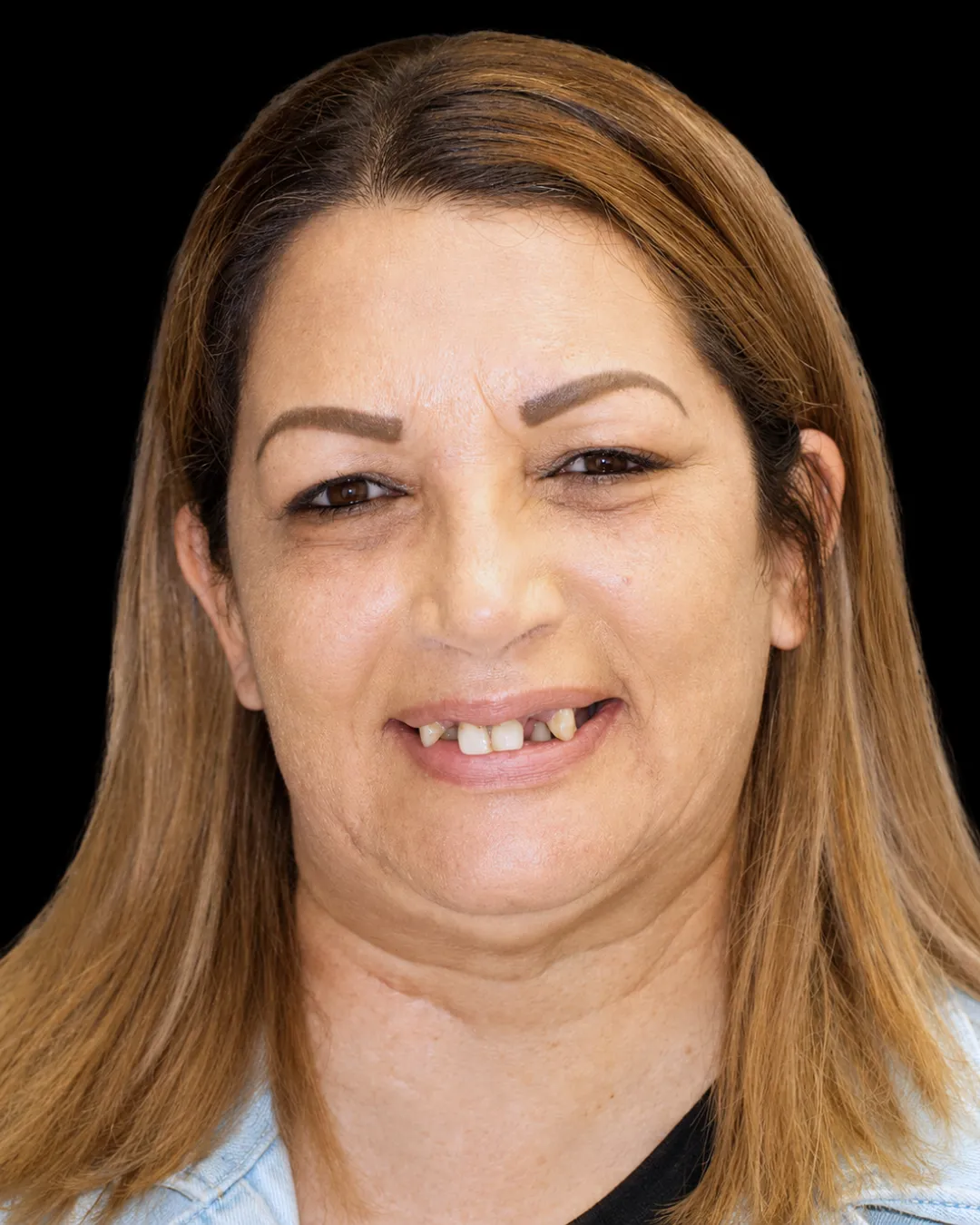
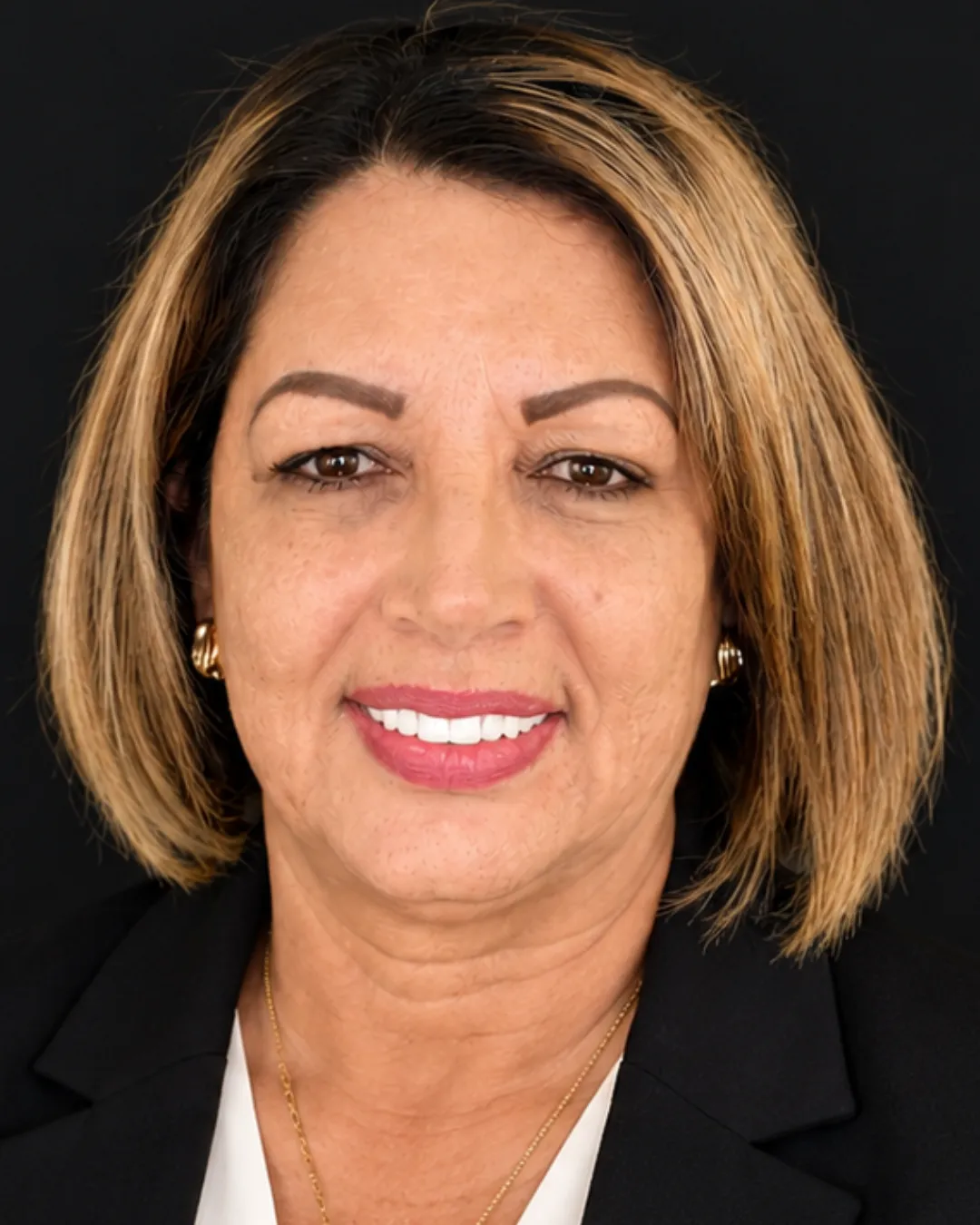
Dr. Elizabeta Cokovska is a board-certified prosthodontist who both places and restores implants, so one clinician plans the whole case from the final tooth backwards. Placement is planned on a 3D scan before surgery, and the final teeth are made in our own laboratory. She also performs bone grafting here, including socket preservation, ridge augmentation and sinus lifts. Over 30 years, she has placed more than 15,000 implants.
What to Ask Any Practice
- Who places the implant, and who makes the final tooth? If they are different people, how do they plan together?
- Is the final tooth designed before the implant position is decided?
- What specialty training do you have, and are you board-certified in it?
- How many cases like mine do you treat each year?
- Who makes the crown or arch, and where?
- If something fails in five years, who is responsible for fixing it?
Final Takeaways
- Four kinds of dentist place implants: general dentists, oral surgeons, periodontists and prosthodontists.
- Oral surgeons train four to six years, periodontists and prosthodontists about three.
- Surgeons and periodontists focus on placement; prosthodontists focus on the teeth, and many also place implants.
- The implant position decides how good the final tooth can be, so the final tooth should be planned first.
- In a Swedish study, restorations delivered by general practitioners were associated with more severe peri-implantitis.
- For simple single implants, experience matters more than title. For full-arch, front-tooth and failed cases, a prosthodontist-led plan is the stronger choice.
Research References
- Derks J, Schaller D, Håkansson J, Wennström JL, Tomasi C, Berglundh T. Effectiveness of implant therapy analyzed in a Swedish population: prevalence of peri-implantitis. 2016. swepub
- Prevalence, incidence, systemic, behavioral, and patient-related risk factors and indicators for peri-implant diseases: an AO/AAP systematic review and meta-analysis. pubmed
- ADEA PASS program listing: University of California, Los Angeles, Prosthodontics (36 months, CODA-accredited). ADEA
- UCLA School of Dentistry, Periodontics Residency Program (3 years). UCLA
- Thomas Jefferson University, Oral and Maxillofacial Surgery Residency (4-year certificate or 6-year MD/OMS). Jefferson
Where to Go From Here
Makris Dental Prosthodontics is a specialty prosthodontic practice at 13250 Narcoossee Rd #103 in Lake Nona Medical City, Orlando.
For a fuller explanation of the specialty, see what is a prosthodontist, or meet Dr. Cokovska. If you are comparing options for missing teeth, start with dental implants, or see more before and after results.
Call (407) 753-4743 or request a consultation online. You will leave the first visit with a written assessment either way.
FAQs


Kind And Compassionate

Trusted by Our Patients