Implant Dentures in Orlando, FL
Stable, Secure Denture Solutions by a Board Certified Prosthodontist
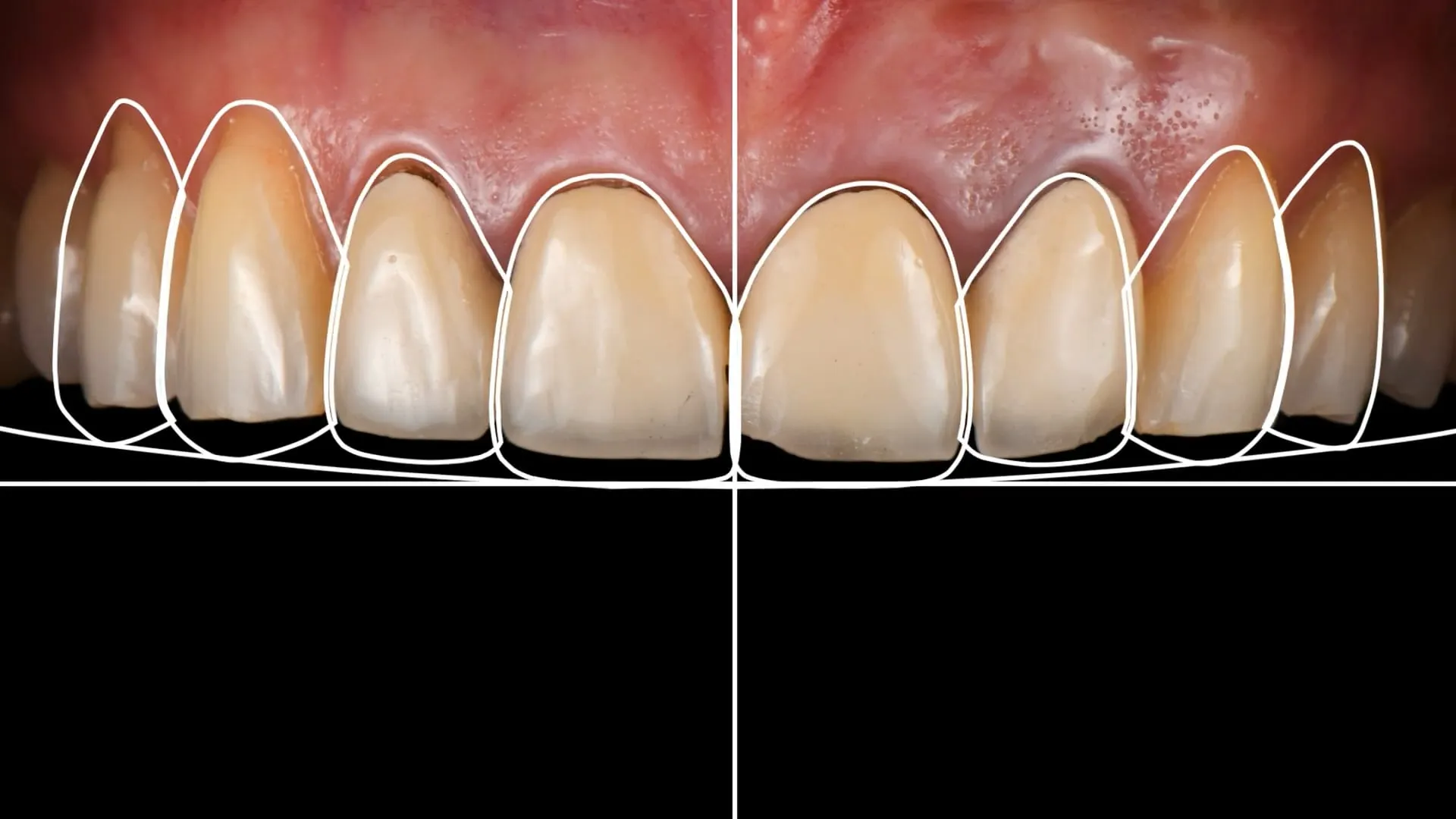
The Overdenture Placement Process
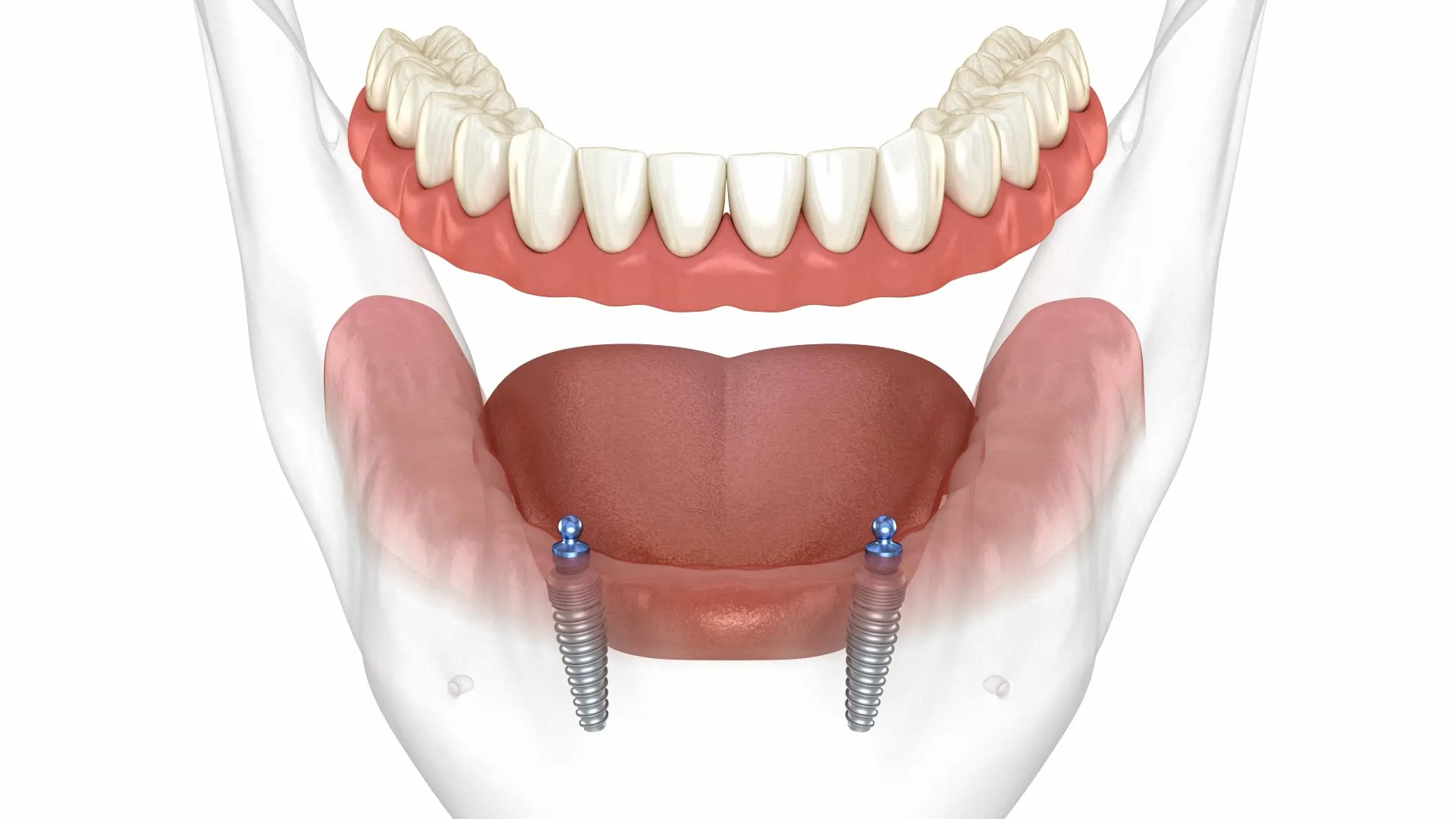
Denture implants, implant dentures, snap-in dentures: these all describe the same thing, a denture anchored to implants in the jaw rather than resting on the gums. The clinical term is an overdenture or implant-supported denture. Whichever name brought you here, this is the page.
Two to four implants per arch hold the denture in position, which restores most of the chewing force a conventional denture loses and stops the bone resorbing underneath. No adhesive, and no movement while you eat or speak.
Why Denture Implants Need a Prosthodontist
Implant dentures are two disciplines at once: placing the implants, and designing a denture that loads them correctly. Most practices do one and refer out the other. Dr. Cokovska is board-certified in prosthodontics and both halves happen here, alongside our own laboratory.

Prosthodontic Expertise
Dr. Cokovska's three additional years of specialized training beyond dental school focused exclusively on tooth replacement and implant prosthetics supports strong, predictable outcomes across both the surgical and prosthetic phases of care.
Customized Attachment Options
From removable overdentures with locator attachments to fixed hybrid prostheses, Dr. Cokovska offers multiple implant denture solutions tailored to your preferences, budget, and oral health status.
Strategic Implant Placement
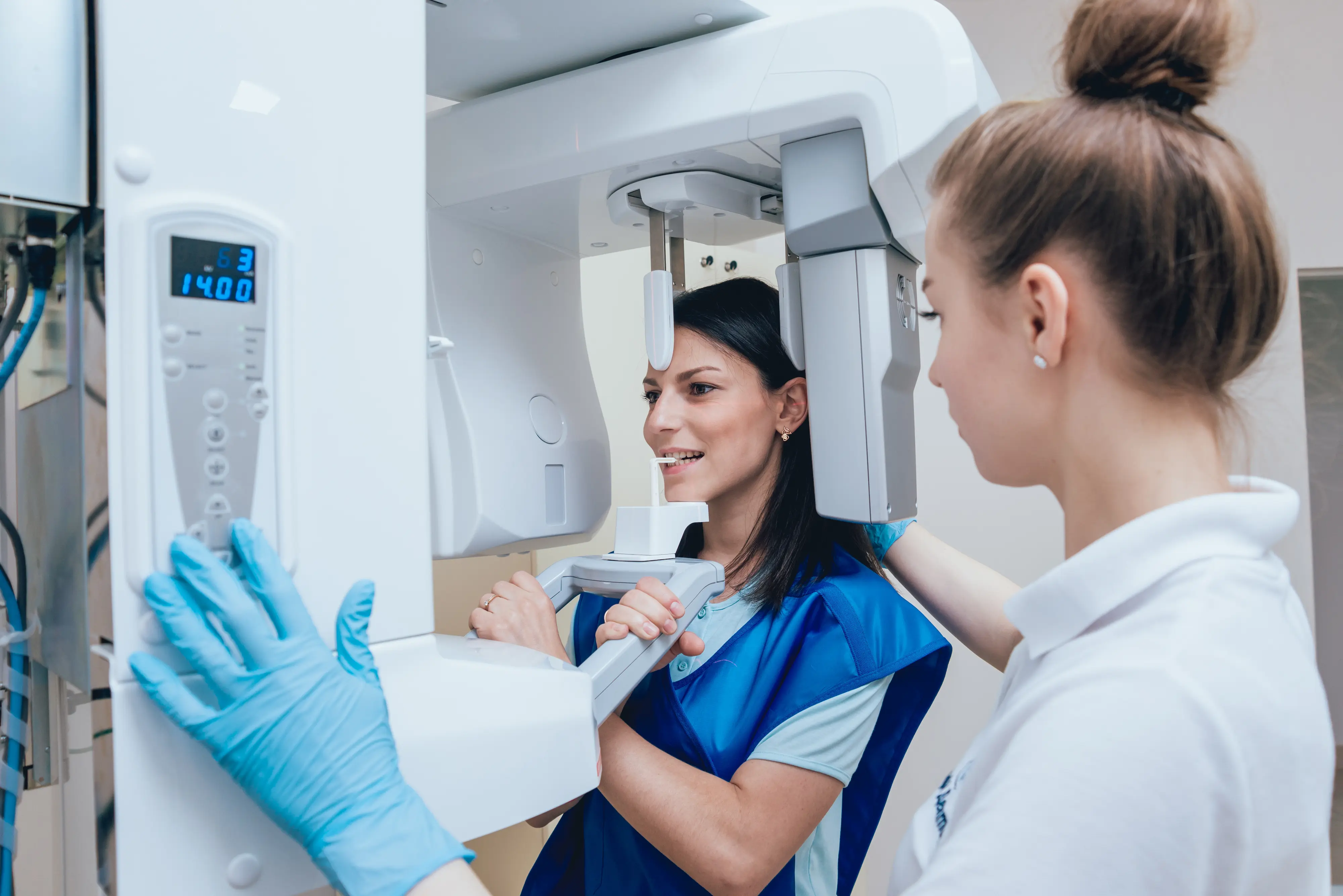
Advanced 3D planning and surgical guides ensure implants are positioned at optimal angles and depths for maximum stability, longevity, and support of your prosthesis.
Comprehensive Care in One Location
Unlike practices that refer implant surgery elsewhere, Dr. Cokovska provides both surgical placement and prosthetic fabrication in house, streamlining your care and ensuring seamless integration.
How Many Implants, and Which Attachment
Two implants will stabilize a lower denture; four give more. The number comes from how much bone is left, which a 3D scan establishes, because years of wearing a denture changes the ridge underneath. The attachment system is the other decision: locators clip and are simple to clean, a bar spreads load more evenly across the arch. Both are explained at the consultation rather than chosen for you.
Discovering The Future Of Dentistry
From Loose Denture to Fixed in Place
Implants are placed, then left to integrate for three to six months. Your existing denture is usually adjusted to wear meanwhile, so you are not without teeth. Once integration is confirmed, the attachments go in and the denture is made in our own laboratory to clip onto them.
01
Comprehensive Evaluation & Planning
Dr. Cokovska examines your oral health, takes 3D scans to assess bone structure, and discusses your goals and preferences. She determines how many implants you need, which attachment system best suits your situation, and creates a detailed treatment plan.
02
Implant Placement Surgery
Using local anesthesia or sedation for your comfort, Dr. Cokovska places two to six dental implants strategically in your jawbone following the digital surgical plan. Temporary dentures may be adjusted to fit over healing implants.
03
Healing & Integration Period
Over three to six months, implants fuse with your bone through osseointegration, creating stable anchors for your final denture. Dr. Cokovska monitors healing through follow up appointments.
04
Final Denture Fabrication
Once implants are fully integrated, Dr. Cokovska attaches specialized connectors and takes precise impressions. Your custom implant denture is fabricated to fit perfectly with proper retention, then delivered and adjusted for optimal comfort and function.
Real Patient Results
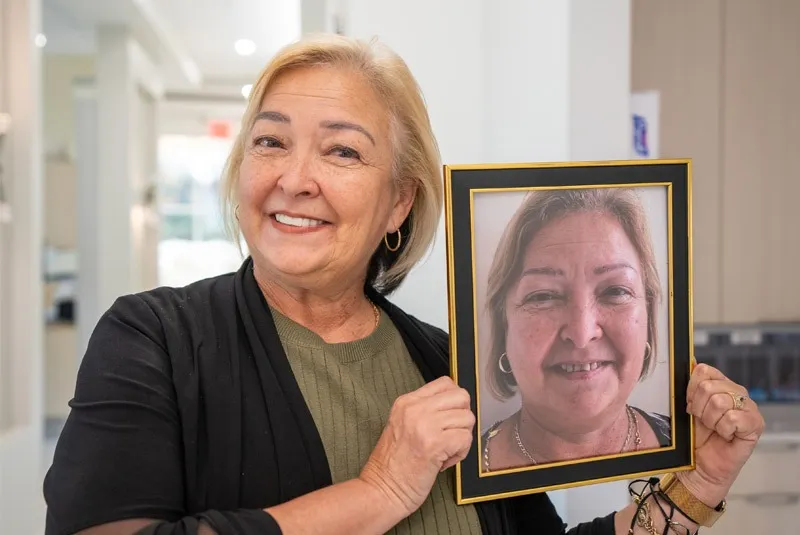
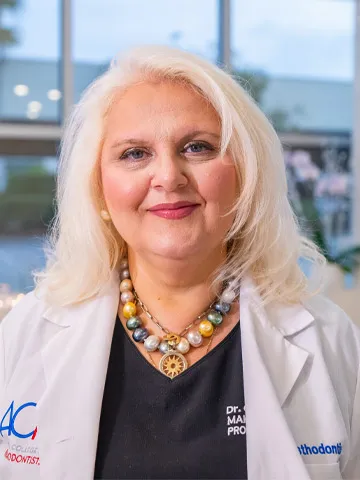
What Changes Day to Day
Lower Jaw, Upper Jaw, and Why It Matters
Worth knowing before you decide: the evidence for implant dentures is strongest in the lower jaw, where a conventional denture has nothing to grip. An upper denture gains real suction from the palate, so the improvement there is smaller. We will tell you which applies to you. You may be a candidate if you:

Currently wear traditional dentures that slip, cause sore spots, or limit eating ability
Are missing all teeth in one or both arches and want greater stability
Have adequate jawbone density to support dental implants or are willing to undergo bone grafting
Want a more secure alternative to conventional removable dentures
Are frustrated with messy denture adhesives and constant adjustments
Desire improved chewing function and better nutrition from varied diet
Considerations:
During your consultation, Dr. Cokovska will evaluate your bone structure using 3D imaging, discuss whether removable or fixed implant dentures best suit your needs, and explain the treatment process thoroughly. Even patients with moderate bone loss are often good candidates.
If Your Denture Has Stopped Fitting
If your denture slips, clicks, or has stopped fitting as the bone beneath it has changed shape, implant dentures are usually the answer. The first visit establishes whether there is enough bone to anchor them and what it would cost, in writing. Call (407) 753-4743.
Common questions about Implant Supported Dentures in Orlando, FL
Kind And Compassionate
Trusted by Our Patients